


Quick Summary
- Texture design finishes are decorative wall coatings that create patterns, depth and tactile surfaces for residential and commercial properties.
- Common types include sand texture, stucco, concrete-effect, Venetian plaster and patterned finishes, each offering a different appearance and application method.
- The main benefits include improved visual appeal, design flexibility and the ability to create feature walls without relying entirely on wallpaper or decorative panels.
- When choosing texture wall paint in Malaysia, consider interior or exterior use, humidity, rainfall exposure, wall condition, cleaning requirements and installation costs.
- Proper surface preparation, suitable product selection and regular maintenance help preserve the appearance and performance of textured walls.
Texture design finishes are decorative wall coatings that add depth, patterns and character to residential and commercial spaces. In Malaysia, homeowners and businesses can choose from sand texture, stucco, concrete-effect and Venetian plaster finishes to achieve different interior styles. The right texture wall paint in Malaysia depends on the wall’s location, moisture exposure, desired appearance, maintenance needs and budget. This guide explains the main types of texture finishes, their benefits, suitable applications and selection factors to help you make an informed decision for your next painting or renovation project.
What Are Texture Design Finishes?
Texture design finishes are decorative coatings that create a patterned, rough, layered or tactile surface on a wall. They can be made using specialised wall paints, plaster, decorative compounds and application techniques. Unlike conventional flat paint, texture finishes create visible surface variation that adds depth to a room.
These finishes are commonly used in living rooms, bedrooms, hotel interiors, offices, retail spaces and selected exterior areas. Depending on the material and technique, they can create a natural stone appearance, an industrial concrete effect or a refined, polished finish.
For Malaysian properties, selecting the right product is important because humidity, rain and temperature changes can affect wall surfaces. The finish should be suitable for the intended location and applied to a properly prepared surface.
What Are the Different Types of Texture Wall Finishes?
Sand Texture Finish
Sand texture finishes create a fine, grainy surface that adds subtle detail to walls. They are suitable for homeowners who want a decorative appearance without a strong or heavily patterned design. Sand textures can complement modern, minimalist and rustic interiors.
Stucco Finish
Stucco-inspired finishes create a layered, natural appearance with visible surface variation. Depending on the product and application technique, they can suit Mediterranean, classic or contemporary design styles. Certain stucco products are suitable for exterior use, but the product specifications must be checked before application.
Concrete-Effect Finish
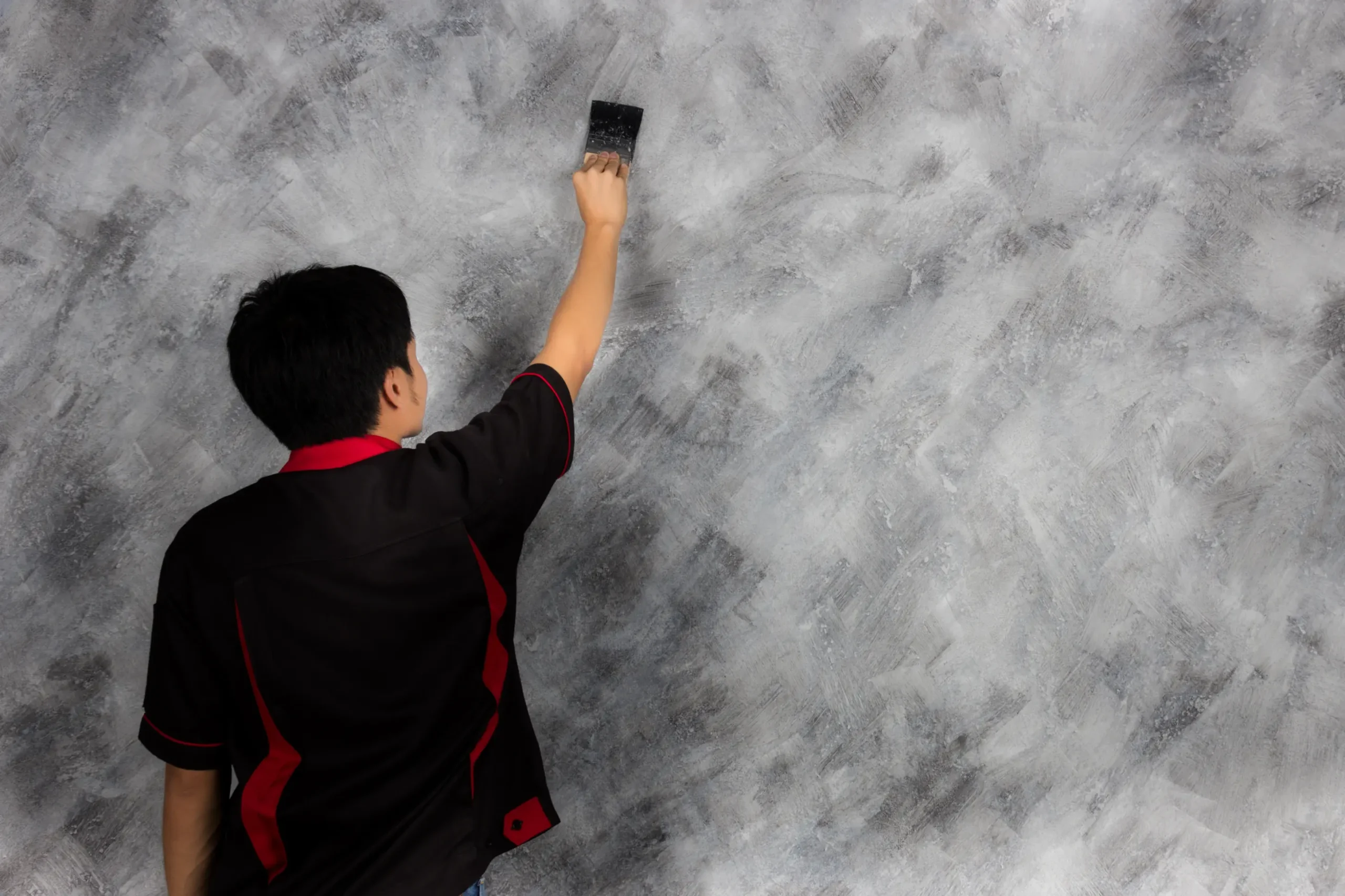
Concrete-effect finishes recreate the appearance of exposed concrete using decorative coatings. Their understated look makes them popular for modern homes, cafés, offices and commercial interiors. Grey, beige and earthy shades can create an industrial or contemporary atmosphere.
Venetian Plaster Finish
Venetian plaster creates a decorative surface with depth, subtle movement and, in some applications, a polished appearance. It is often used for feature walls in living rooms, reception areas and hospitality spaces. Achieving a consistent finish may require an experienced applicator.
Patterned Decorative Finish
Patterned finishes use specialised rollers, brushes, trowels or other tools to create repeated or customised designs. They can make a wall a focal point in a room. The pattern, colour and texture should complement the surrounding furniture, lighting and interior design.
What Are the Benefits of Texture Design Finishes?
Texture design finishes add visual interest by creating depth, contrast and distinctive patterns. They allow homeowners and designers to personalise a space without relying entirely on wallpaper, decorative panels or other wall coverings.
Another benefit is design flexibility. Different textures can suit a range of properties, from contemporary apartments and landed homes to offices, retail outlets and hospitality interiors.
Some textured coatings can also make minor surface irregularities less noticeable. Maintenance requirements vary by finish. Some sealed or smoother textures are easier to clean, while rough surfaces may collect more dust. Choosing a finish based on the room’s use can help maintain its appearance over time.
Choosing the Right Texture Wall Paint for Malaysian Homes
Choosing texture wall paint in Malaysia involves more than selecting a colour or pattern. The product must be suitable for the wall’s location, environmental exposure and intended use.
For interior walls, consider the room’s lighting, existing décor and cleaning requirements. A subtle sand texture may work well in a bedroom, while a concrete-effect finish can complement a modern living room or commercial space.
For exterior walls, choose a product specifically designed for outdoor exposure. Malaysian weather can involve high humidity, heavy rainfall and strong sunlight, so weather resistance, surface preparation and water management are important considerations.
The condition of the existing wall should also be assessed. Loose paint, cracks, uneven surfaces and moisture problems may require attention before applying a new finish. Proper preparation helps the coating adhere correctly and achieve a more consistent appearance.
Budget is another factor. The total project cost may include the texture coating, primer, surface preparation, labour and protective topcoat, where required. Detailed finishes may need specialist application, which can affect the overall cost.
Before making a decision, request product samples and review completed projects. This helps you understand how the finish looks under different lighting conditions and whether it suits your design preferences.
Are Texture Design Finishes Suitable for Malaysian Weather?
Texture finishes can be used in Malaysian properties when the product is appropriate for the application and environmental conditions. However, not every decorative coating is designed to withstand exterior weather exposure.
For outdoor walls, check the manufacturer’s specifications for weather resistance, moisture exposure and recommended substrates. Correct application and adequate surface preparation are essential for long-term performance.
For indoor walls, ventilation and moisture control are important, particularly in kitchens, bathrooms and other areas where condensation may occur. A decorative finish alone cannot solve water seepage, rising damp or persistent mould problems.
Choosing the right coating for the location helps reduce the risk of premature peeling, discolouration and surface deterioration.
How to Maintain Textured Wall Finishes
Regular maintenance helps keep decorative walls looking their best. Remove dust using a soft brush or suitable cleaning tool. If the product is washable, follow the manufacturer’s cleaning instructions and test the method on a small, less visible area first.
Avoid abrasive tools and harsh cleaning chemicals unless they are specifically approved for the finish. These may damage the texture or change the surface appearance.
Inspect walls periodically for peeling, damp patches, mould and water stains. In Malaysia’s humid climate, these signs may indicate moisture problems that need attention before repainting or repairing the decorative coating.
When repairs are necessary, use compatible materials and follow the original product’s application guidance to achieve a consistent result.
Texture design finishes offer a versatile way to add depth, character and visual appeal to walls in Malaysian homes and commercial properties. Sand texture, stucco, concrete-effect, Venetian plaster and patterned finishes each provide a different look and have specific application and maintenance requirements.
To choose the right texture wall paint in Malaysia, consider the wall’s location, moisture exposure, condition, design style and total project budget. Selecting a suitable product and ensuring proper application can help achieve a finish that complements your space.
Planning to upgrade your walls with a decorative finish? Visit our Contact Us to enquire about available texture finishes and suitable solutions for your project.
Frequently Asked Questions
1. What is texture wall paint?
Texture wall paint is a decorative coating designed to create a patterned, grainy, raised or layered surface. It adds visual interest and depth compared with conventional flat paint.
2. What are the common types of texture design finishes?
Popular options include sand-textured, stucco, concrete-effect, Venetian plaster and decorative patterned wall finishes. The right option depends on the desired style, wall condition and application area.
3. Is texture wall paint suitable for homes in Malaysia?
Yes. Suitable texture coatings can be used in Malaysian homes when the product is selected for the intended location and applied to a properly prepared surface.
4. Can texture finishes be used on exterior walls?
Yes, provided the product is specifically designed for exterior use.Exterior walls can be textured using products formulated to withstand outdoor weather conditions.
5. Can textured paint hide wall cracks?
Some textures can make minor surface irregularities less noticeable, but they cannot repair structural cracks or resolve dampness. These problems should be addressed before applying a decorative finish.